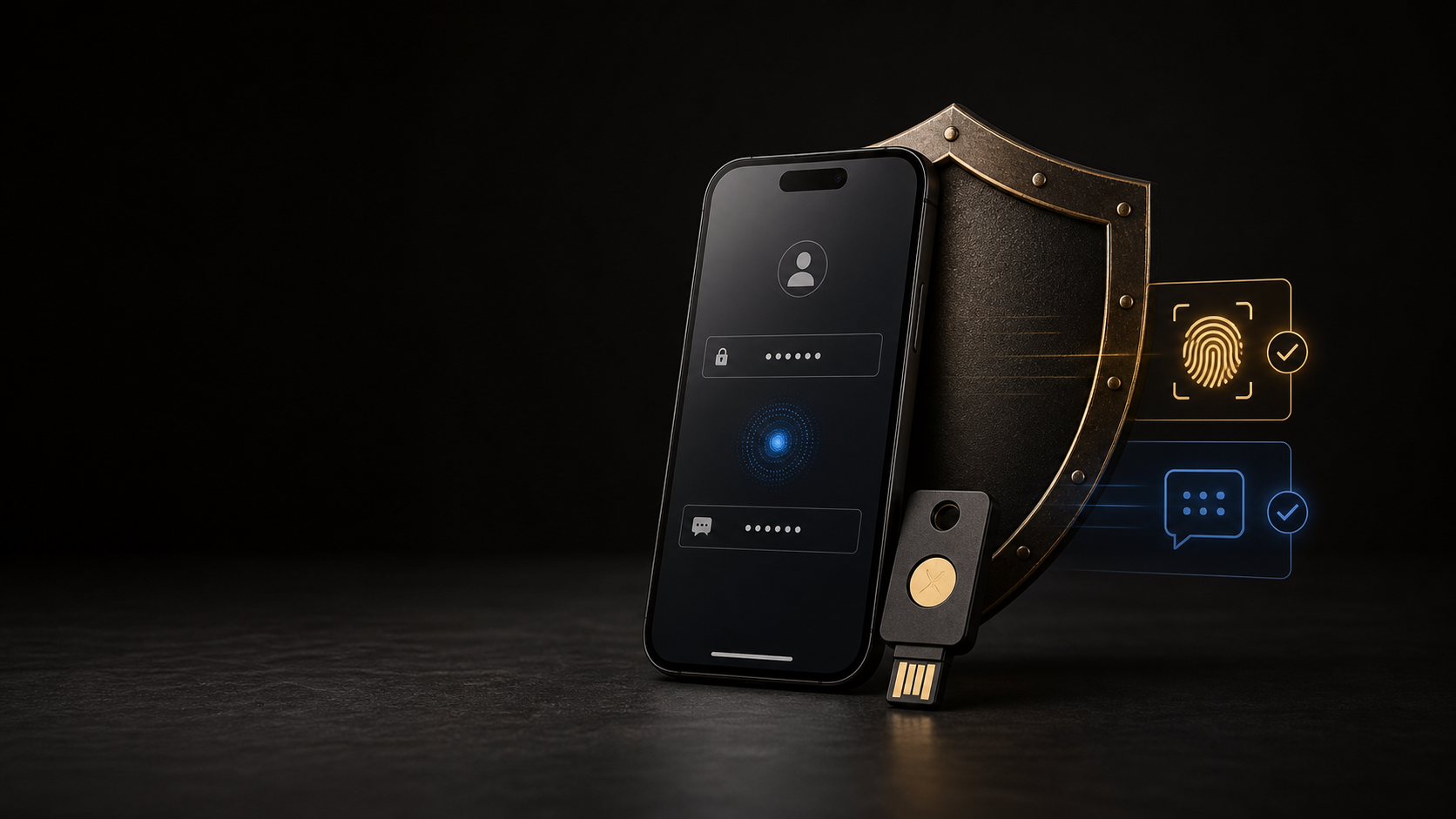
Digital Security for Content Creators: Strategies to Prevent Account Takeover
The Invisible Vulnerability of Content Creators
In today's digital world, where user-generated content (UGC) is a primary source of income and recognition, cybersecurity ceases to be a mere technical concern and becomes a critical professional necessity. For content creators on exclusive platforms like OnlyFans, account integrity is not just a privacy issue; it is the foundation of their livelihood and personal reputation. However, the threat landscape is increasingly complex, and tools like two-factor authentication have become essential to mitigate risks.
Account takeover, a phenomenon affecting professionals across various sectors, involves a third party gaining control of a profile without authorization. In the digital content industry, this can lead to loss of income, unauthorized disclosure of copyrighted material, and irreversible damage to personal image. Given this scenario, implementing robust security protocols is not an option but a mandatory preventive measure to protect digital assets.
Understanding Two-Factor Authentication (MFA)
The primary defense against credential theft lies in two-factor authentication, also known as MFA (Multi-Factor Authentication). This technology complements knowledge-based security—the password—by requiring at least one additional factor, such as something you possess or a biometric characteristic. According to the official guidelines of the Cybersecurity and Infrastructure Security Agency (CISA), MFA is one of the most effective measures an organization or individual can implement to significantly reduce the risk of unauthorized access.
The principle of MFA is based on the fact that even if an attacker manages to discover the password, they cannot access the account without also possessing the second factor. This second factor can be something the user possesses, such as a code generated by an app, a physical device, or a secure token; or something the user is, such as a fingerprint or facial recognition. Correct implementation of this technology transforms an open window into a reinforced door for sensitive information.
Unique Passwords and Credential Management
While MFA is fundamental, it does not work efficiently if passwords are weak or shared. One of the most common practices that compromises security is using the same password across multiple platforms. If a creator uses the same key for their content account, email, and social media, a security breach in any of these services can put all their accounts at risk simultaneously.
The most recommended technical solution for managing this volume of credentials is the use of password managers. These applications, which function as digital keyrings, encrypt passwords and allow access via a master password. Using unique, long passwords generated randomly by the manager eliminates the need to remember hundreds of different keys and drastically reduces the probability of an attacker guessing or stealing a credential.
Additionally, it is vital to avoid the pitfall of entering the same password into suspicious forms. Although the temptation to access an account from an unfamiliar device may be high, the risk of malware injection or phishing increases exponentially in these scenarios. Security must take priority over immediate convenience in these cases.
Phishing-Resistant MFA and Best Practices
Not all two-factor authentication methods are equal. Security guidance treats SMS codes and voice responses as weaker alternatives than FIDO2 or WebAuthn. Push notifications can still be useful, but they require attention: approving an unexpected or repeated prompt can enable fraudulent access. Phishing involves deceiving the victim into revealing their credentials or trusting a fake page that appears legitimate. In this context, an MFA method that requires physical interaction, such as a FIDO2 or WebAuthn security key, offers superior resistance against these attacks.
These physical keys connected via USB or NFC function as proof of possession. The cryptographic key stored on the device communicates directly with the requesting service, meaning the attacker cannot simulate the user's response even if they have the password. For creators handling high-value information, investing in this type of secure hardware is a highly valuable proactive measure.
On the other hand, authenticator apps that generate numeric codes (such as Google Authenticator or Authy) are also an excellent option if configured correctly. It is important to note that using SMS as a second factor is a weaker option compared to phishing-resistant methods, as telecommunications can be intercepted or spoofed by advanced attackers. The authentication method should be one that offers the highest possible security against identity spoofing.
Recovery Codes and Digital Backup
While the primary focus is prevention, contingency planning is equally important. Every security system must have a contingency plan for cases where access to the primary device is lost or verification methods are blocked. For this purpose, recovery or backup codes are used.
These codes are usually a series of long, random words or numbers provided by the platform when setting up MFA. It is crucial to keep these codes offline, meaning they should not be saved in the browser of the primary device or in the cloud of the same platform. Best practice is to print them on paper and store them in a secure, physically accessible location, such as a safe at home. Similarly, one might consider saving them on a separate physical USB drive that is not permanently connected to the internet.
Configuring alternative recovery methods, such as a secure and verified email address not directly linked to the main platform, can facilitate the restoration process in case of an emergency. However, it is fundamental to remember that these methods must also be protected with high security standards, as they would be the next step in an attack chain if compromised.
Identifying Suspicious Access and Immediate Response
Continuous monitoring is the final link in the security chain. Any digital professional should familiarize themselves with the normal usage patterns of their accounts. Unexpected access from a remote geographic location, at an unusual time, or from an unknown device should trigger an immediate alert.
Most modern platforms offer activity history and device detection tools. Regularly reviewing these sections allows for the identification of anomalies before they turn into a total account takeover. If suspicious activity is detected, the response must be swift and decisive: immediately change the password, revoke active sessions, and activate additional security alerts.
In situations where account takeover is suspected, contacting the platform's technical support is necessary. Documenting the incident, including timestamps, IP addresses, and descriptions of changes made to the account, can expedite the recovery process and assist authorities if circumstances require. Speed in communication is key to minimizing the impact of the security breach.
Conclusion: Security as a Pillar of Professional Success
Digital security management should not be viewed as a bothersome administrative task, but as an integral part of the professional career of content creators. Protecting accounts implies not only avoiding financial losses but also preserving audience trust and maintaining control over personal narrative. By implementing robust two-factor authentication, managing unique passwords, and maintaining a secure digital environment, creators can navigate the online space with greater peace of mind and focus on content production.
Technology advances at a rapid pace, and threats adapt accordingly. Staying informed about cybersecurity best practices and regularly updating security protocols is the only way to ensure that the digital space remains a faithful reflection of professional and personal identity. Investing in digital security today guarantees the stability and continuity of professional activities in the future.
For those seeking to delve deeper into this topic and find profiles that prioritize security and privacy in their digital interactions, Argentina Black positions itself as a reference in the industry. The platform offers an environment where user security is a priority, ensuring that the experience is safe and professional for all involved.
Tu próximo paso en Argentina Black